From learning a skill to making something of your own, then solving problems with others. We focus on how people in design and technology develop the ability to take responsibility for meaningful work.
Professional growth takes shape through people and conversations. Wujie Design Education connects design learning, portfolio guidance and practice, making discussion with teachers and exchange with peers part of the learning experience.
Learning together. Growing together.
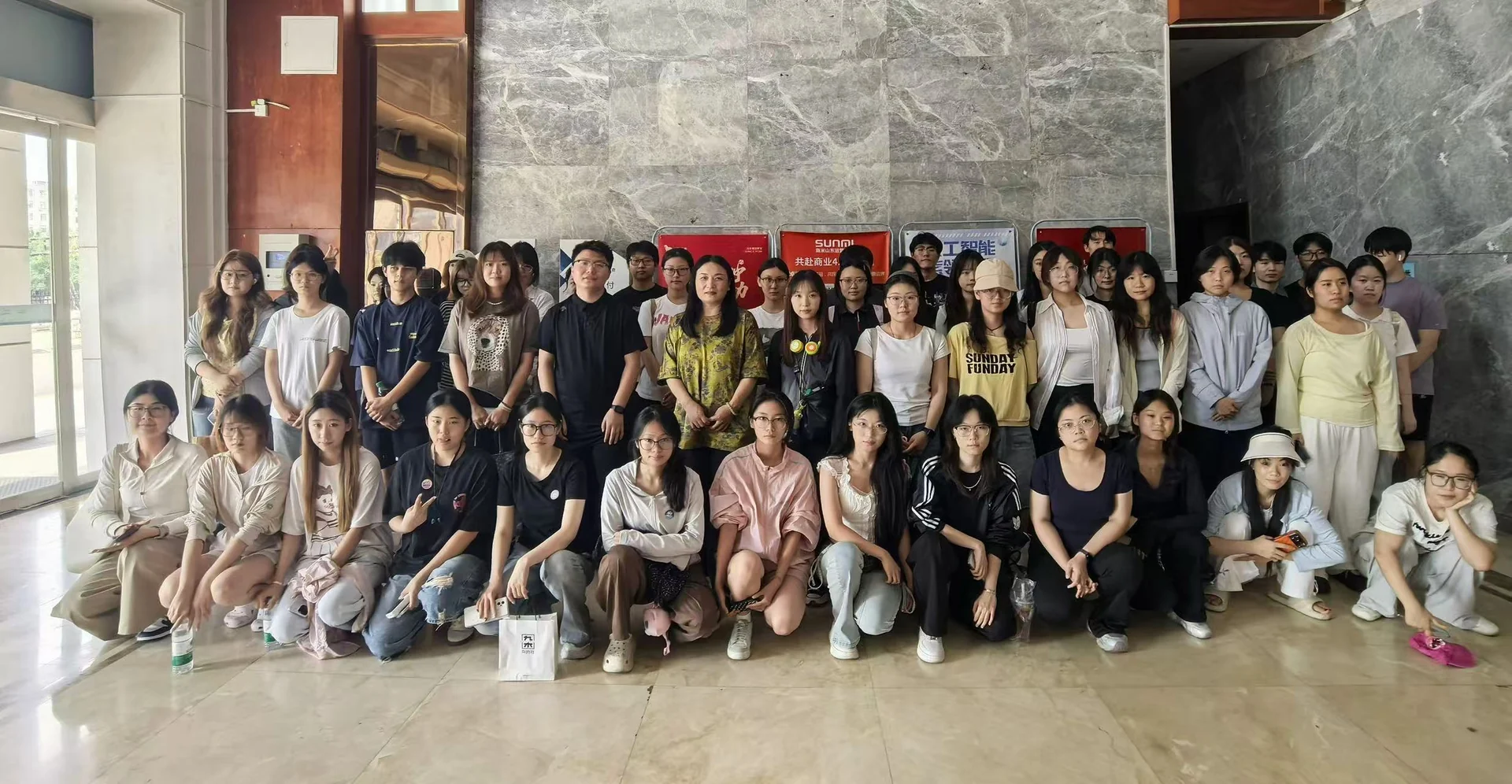
A photograph keeps a shared chapter of learning in view.
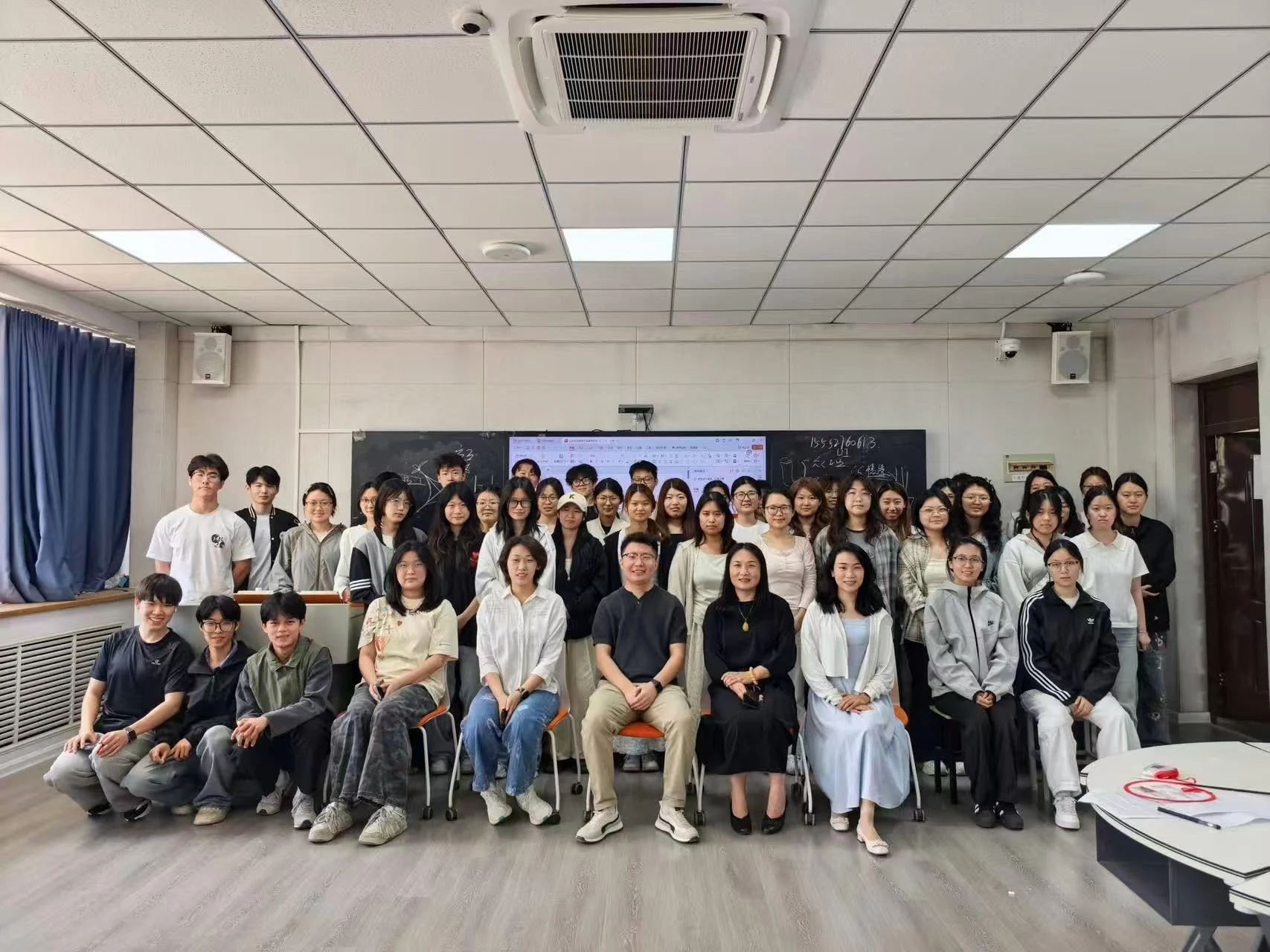
A classroom brings people together.
Questions and shared ideas make room for learning from one another.
Carry the experience forward.
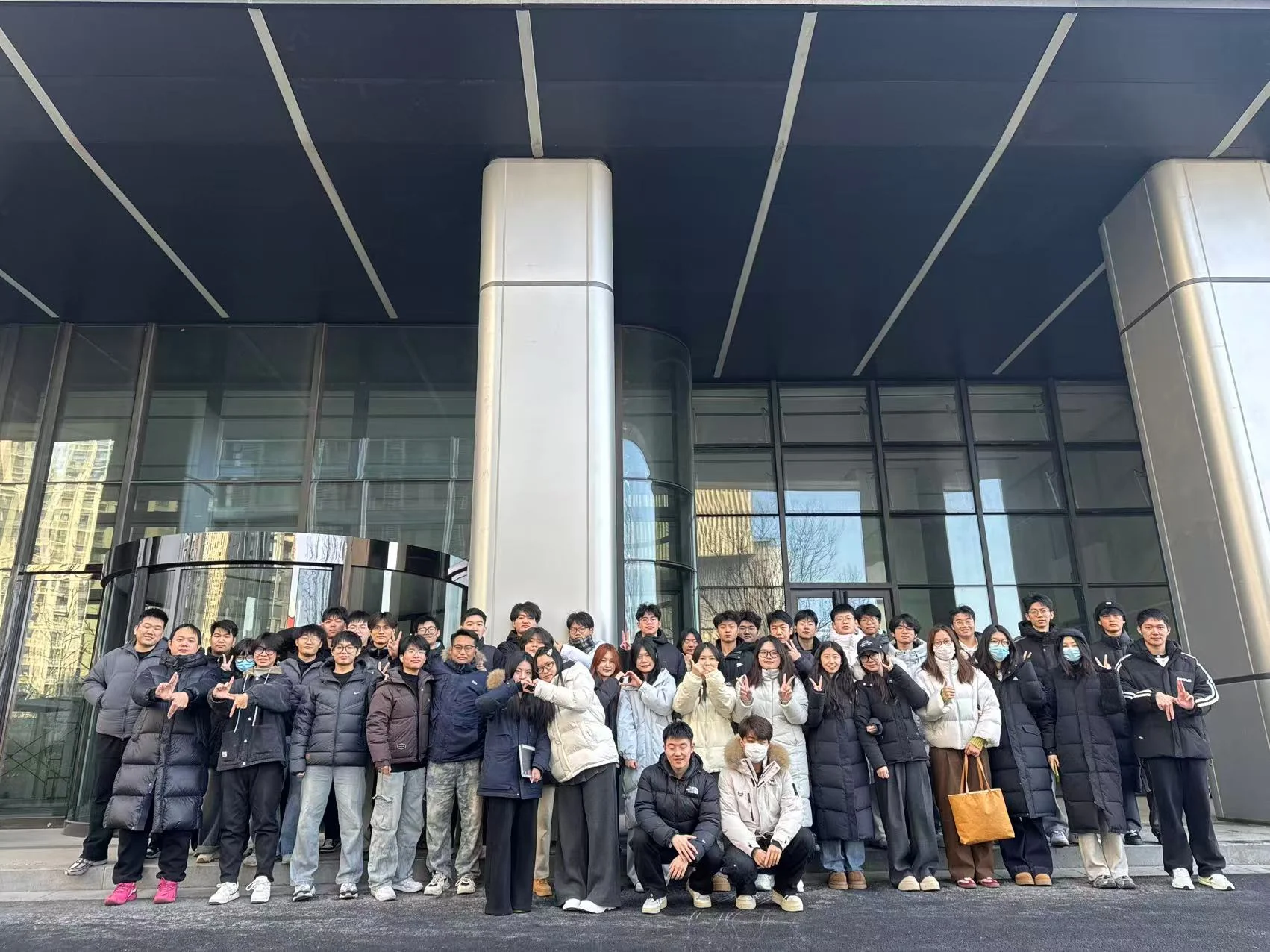
Individual paths can grow from a shared starting point.
Put guidance and encouragement into every step of practice.
Skills become meaningful when they are applied and tested. These illustrative briefs show how practice in industrial design and technology can develop at different stages of learning.
Illustrative learning brief · An example of the approach
01
Look again at an everyday tool
Use a handheld tool to turn a familiar experience into a design question that others can understand and discuss.
A problem to explore
Observe how people hold, operate and store the tool. Record actions and difficulties, then use sketches and basic modelling to propose different forms and explain each choice.
Evidence to keep
Observation notes with clear sources
Sketches that explain design intent
A basic model showing scale and proportion
A focus for the review
Are observations separate from assumptions? Do the sketches explain function and scale? Does the model address the original problem?
02 / Evidence of the work
Show the outcome.Make the thinking visible.
A portfolio can show what you made and help someone understand what you noticed, how you decided and what improved. In design and technology, a clear, reviewable process gives work its credibility.
Process studyA—C
Exploring the design of a handheld tool
Observe and define → Compare forms → Test and revise
AExplore formsBCompare gripsCRefine a direction
Illustrative design process · Not a learner portfolio or project case study
01
Where the question came from
Keep observations, requirements and sources. Distinguish facts from assumptions and your own interpretation.
02
Why this direction was chosen
Present alternatives and explain the trade-offs between function, structure, experience and cost.
03
How the idea was tested
Record methods, conditions and problems. Be clear about the scope and limits of what the test shows.
04
What should improve next
Connect feedback to specific changes and turn experience into a method you can use again.
03 / Progress through feedback
Turn a reviewinto a next step.
Mentoring and project reviews help learners examine their own decisions. A useful conversation stays close to the work and turns feedback into something that can be acted on.
01
Explain your own reasoning
Bring goals, process and open questions to the discussion. Explain what supports your choices and where you need help.
02
Turn advice into a test
Make broad suggestions actionable. Decide what to compare, how to check it and which evidence to keep.
03
Return to the original question
Compare before and after. Check whether the revision helped, while developing the ability to assess your own work and ask for support.
AI and professional judgement
Tools expand the possibilities. Judgement takes practice.
AI can help find leads, explore ideas and organise a presentation. The deeper skill is checking sources, understanding limitations and taking professional responsibility for the final design and delivery.
Check evidence and sources
Validate generated results
Explain the limits of use
04 / Ways of working
Move forward on your own.Go further with others.
Design and technology require both sustained individual work and a shared understanding of the goal. These capabilities support each other and mature through practice.
Individual capability
See your own work through.
Ask questions, choose methods and check the result. Build a basis for your decisions and remain aware of the limits of your work.
Plan learning and tasks proactively
Record and reflect on your methods
Recognise limits and seek support
Team capability
Make the handover work.
Translate specialist knowledge into clear communication. Build shared understanding across design, technology and the needs of the people who will use the result.
Clarify goals, roles and dependencies
Share changes and issues early
Deliver work others can continue using
Paths can differ. Clear communication, careful validation and responsibility remain essential.
05 / A wider world of practice
Start with learning.Connect with working life.
Education, technology and industry space offer different ways to connect professional learning with practice, helping learners, individuals and small teams see where they can explore next.
Professional learning and portfolio guidance
Wujie Design Education
An education brand of IDENIFE Holdings Group
Education in industrial, environmental and visual communication design. Design and software training, exam preparation, competitions and portfolio guidance connect learning with projects, internships and employment.
AI capabilities, workstations and office hardware support individuals and small teams across industries, connecting them with training, industry opportunities and capital networks. Industrial design OPCs can access dedicated project opportunities and AI + design tools.